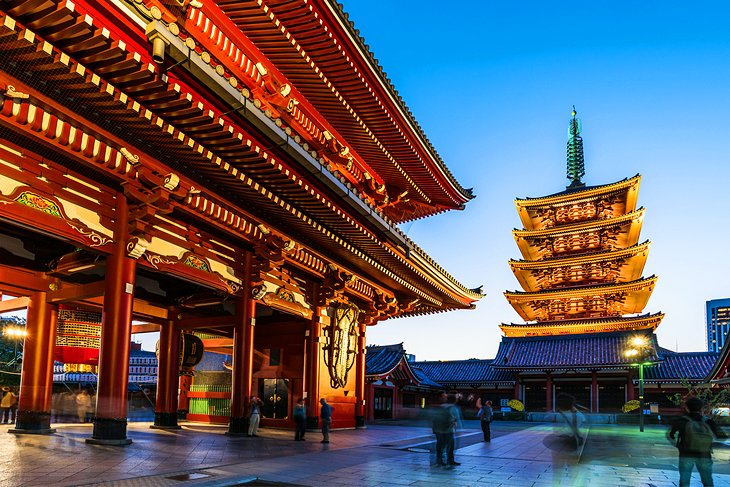
In the Asakusa district of Tokyo, the exquisite Sensō-ji Temple (Kinryū-zan Sensō-ji)- the city's most famous shrine - stands at the end of a long street market hosting vendors selling masks, carvings, combs made of ebony and wood, toys, kimonos, fabrics, and precious paper goods. Dedicated to Kannon, the Buddhist goddess of compassion, the temple was established in AD 645 and retains its original appearance despite having been rebuilt numerous times.
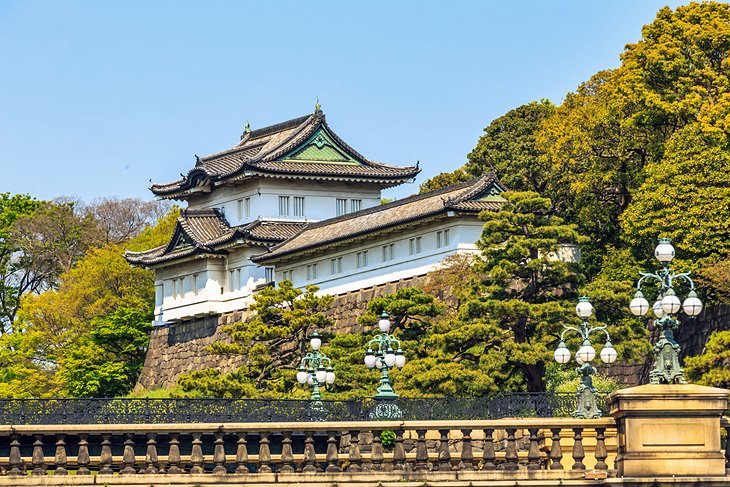
The chief attraction of Tokyo's Marunouchi district is the Imperial Palace (Kōkyo) with its beautiful 17th-century parks surrounded by walls and moats. Still in use by the Imperial family, the Imperial Palace stands on the site where, in 1457, the Feudal Lord Ota Dokan built the first fortress, the focal point from which the city of Tokyo (or Edo, as it was then) gradually spread. As famous as the palace is the Nijubashi Bridge leading to its interior, a structure that takes its name ("double bridge") from its reflection in the water.
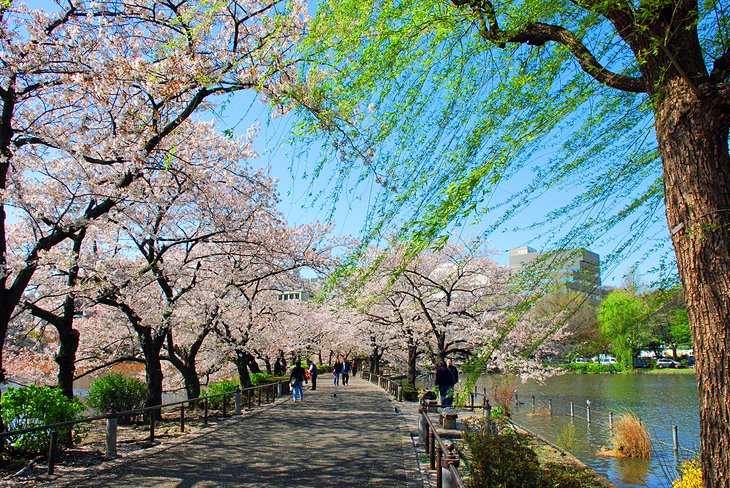
A paradise-like oasis of green in the heart of busy Tokyo, Ueno Park (Ueno Kōen) is the city's largest green space and one of its most popular tourist attractions. In addition to its lovely grounds, the park also boasts numerous temples and museums to explore. Criss-crossed by pleasant gravel paths, this 212-acre park includes highlights such as a trip on a small boat on the reed-fringed Shinobazu pond, around a little island with its Bentendo Temple.
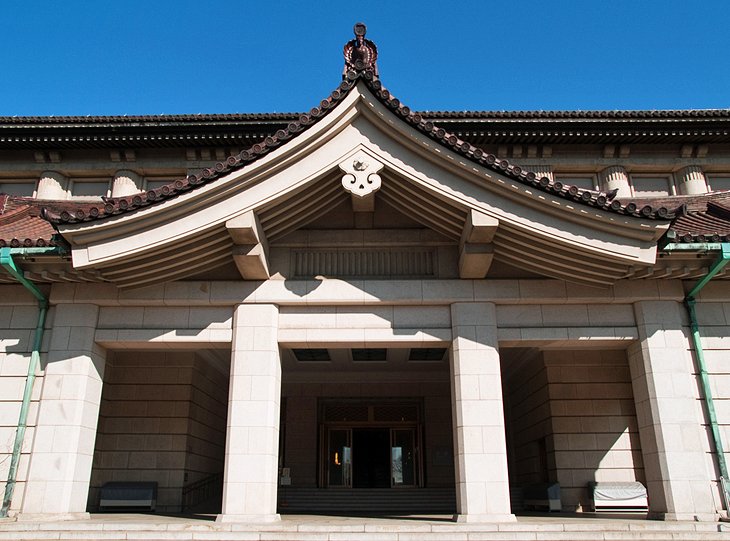
Tokyo National Museum (ōkyō Kokuritsu Hakubutsukan) houses more than 100,000 important works of Japanese, Chinese, and Indian art, including more than 100 national treasures. Opened in 1938, the TNM, as it's usually known, includes highlights such as numerous Buddhist sculptures from Japan and China dating from the 6th century to the present, as well as fine collections of old textiles, historical weapons, and military equipment.
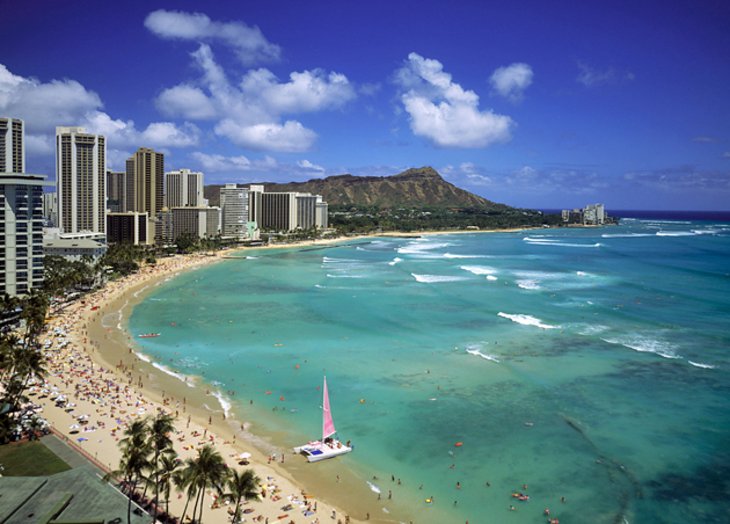
Waikiki, with its beautiful stretch of oceanfront beach, is Hawaii's biggest tourist attraction. A suburb of Honolulu, Waikiki is popular for its big resorts, dining, entertainment, and shopping.The Waikiki Historic Trail includes historic markers made of surfboards, inspired by Waikiki's own Duke Kahanamoku, an Olympic gold medalist swimmer and avid surfer.